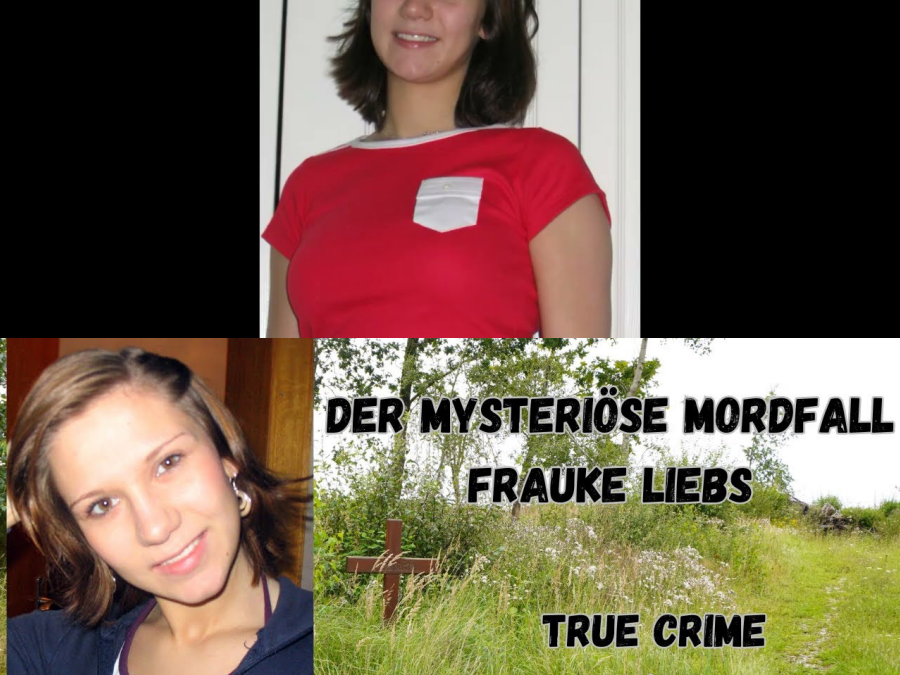
Der mysteriöse ungeklärte Mord an Frauke Liebs – True Crime Podcast / Video – Ty
Hallo ihr Lieben herzlich willkommen zu einer neuen Folge von Lias crimetime schön dass Ihr alle diesmal auch wieder mit dabei seid ich weiß dass viele von euch schon auf diesen Fall gewartet haben ich hatte ihn ja bereits schon angekündigt es geht in dieser Folge heute um den ungeklärten Mord an Frau KBS und vielen von Euch geht es genauso wie mir euch bewegt dieser Fall ganz ganz extrem und ich komme selber ja auch aus kreisminten lübeke also ich bin ganz nah dran auch Fraukes Familie lebt ja im Kreis Minten Lübcke deswegen kenne ich
auch einige Örtlichkeiten in diesem Fall habe auch einige Örtlichkeiten abgefahren für euch da wird noch ein extra Video zu kommen und das wird teilweise auch in diesem Podcast zumindest auf Youtube auch ersichtlich sein ein paar kurze Ausschnitte davon und an die Leute die mich gerade auf den Podcast Portalen hören es lohnt sich auf jeden Fall dann das Video was ich dazu mache was noch separat zu dem Podcast erscheinen wird sich einmal anzuschauen dann sieht man die Örtlichkeiten auch wie sie heute aussehen und nicht wie sie
damals halt ausgesehen haben das kann ich euch leider nicht bieten da ich dann noch nicht so in dem crime Thema drin war aber es gibt Bilder wie das damals aussah die ich auch in meine Podcast Folge auf Youtube jetzt packen werde ja ihr Lieben ich will jetzt gar nicht das Intro noch viel viel länger halten es war mir nur wichtig so ein paar Sachen dazu zu sagen und die Folge beginnt heute wirklich von Anfang an bis heute zu dem was ich weiß aus dem Jahr 2 23 also ich habe versucht wirklich alles da reinzupacken was nur geht bestimmt habe
ich auch ein zwei Dinge vergessen aber ich hoffe das wichtigste was in diesem Fall relevant ist habe ich versucht bestmöglich wiederzugeben und ich würde sagen wir beginnen jetzt mit dem Fall Frau kelbs war im Jahr 2006 21 Jahre alt Frauke wird als eine liebevolle Person beschrieben sie soll Tiere sehr geliebt haben besonders Hunde sie hatte keine Scheu auch mal fremde Menschen anzuquatschen sie fand gut Anschluss und war aufgeschlossen und wusste ganz genau was sie im Leben wollte oder auch eben nicht Frauke ist
geboren am 21 februar 1985 in Bielefeld hat Frauke ihr Abitur gemacht und parallel dazu eine Ausbildung als Erzieherin ihr Anerkennungsjahr machte Frauke damals in einer behinderteninrichtung inbadessen die Arbeit soll ihr sehr viel Spaß gemacht haben und laut ihrem Ex-Freund Chris oder Christos wollte sie später gerne weiter mit behinderten Menschen arbeiten allerdings hat Frauke trotz eines sehr guten Abschlusszeugnisses damals keine Arbeitsstelle gefunden heute fast undenkbar deshalb hat Frauke sich entschlossen eine Ausbildung zu beginnen
als Krankenpflegerin die Ausbildung begann am 1 oktober 2005 und zwar am St Krankenhaus in Paderborn Frauke lebte eigentlich in lübeke ein kleines Städtchen mit ca 25 000 Einwohnern in Ostwestfalen frauges Familie war auch sehr bekannt im Ort frauges Mutter unterrichtete damals mal am Gymnasium in Lübcke und war auch früher stellvertretende Bürgermeisterin im Ort ihr Vater war als Zahnarzt im Nachbarort sehr bekannt heute ist auch ihr Bruder Frank Zahnarzt in dieser Praxis kurz um man kannte Familiie liiebs Frauke aber entschloss sich nicht
in Lübcke zu bleiben sondern für ihre Ausbildung nach Paderborn zu gehen sie soll das Leben dort sehr genossen haben dort war schon etwas mehr los wie in dem kleinen Städtchen lbcke was ich nur bestätigen kann um aber die Mietkosten in der Ausbildung gering zu halten wollte Frauke eine WG gründen sie wollte nicht in ein Schwesternwohnheim sie verstand sich noch sehr gut mit ihrem expart chr mit vollem Namen Christus kaulis dieser hatte zum selben Zeitpunkt nämlich vor in padborn Lehramt zu studieren die beiden waren schon ein Jahr kein Paar
mehr verstanden sich aber freundschaftlich noch sehr gut Fraukes Mutter Ingrid hatte Frauke eigentlich davon abgeraten mit Chris in eine WG zu ziehen schließlich war das doch ihr Exfreund aber für Frauke war das überhaupt kein Problem und die Sache somit beschlossen und Frauke soll in der Hinsicht auch ein gewesen sein der sich davon dann Hal auch nicht abbringen lassen sondern wirklich so Ihr eigenes Ding dann auch durchgezogen hat zusammen lebten also Frauke und Christan in padaborn genauer gesagt in einer
Dachgeschosswohnung an der borchenerstraße 56 unterhalb ist bis heute noch eine Gastwirtschaft jeder hatte in der WG sein eigenes Zimmer und die beiden sollen sich sehr sehr gut verstanden haben und Christ soll in der Zeit wohl auch schon eine neue Freundin gehabt haben also war das mit Frauke dann sowieso Geschichte die Borchener Straße ist eine sehr viel befahrene Straße selbst am Wochenende wir waren an einem Sonntag dort war dort extrem viel Verkehr das erwähne ich auch nur falls Frauke die Borchener Straße damals
eventuell noch erreicht hat bis sie in die Stadt hatte Frauke ist auch nicht weit von ihrer Wohnung waren das so gute 1,5 km und so 15 bis 20 Minuten Fußweg und Frauke Sowi Chris haben aber beide auch noch Autos gehabt die sie aber wohl nicht immer genutzt haben zumindest Frauke nicht vermutlich auch um Kosten zu sparen oder wenn sie dann mal was getrunken hatte und in der Stadt war dann konnte sie ja auch zu Fuß zurückgehen in padborn lernte Frauke auch schnell neue Leute kennen eine davon war ihre spätere Freundin Isabella
die beiden lernten sich über die Ausbildung in der Krankenpflegeschule kennen sie sind gemeinsam zum Unterricht gegangen und verbrachten auch teils ihre Freizeit zusammen und wie jede junge Frau ging auch Frauke natürlich sehr gerne mal feiern das hat sie auch teils mit Isabella gerne gemacht z.B im kitol in Paderborn das ist auch unweit der Innenstadt entfernt und auch Frauke war vor ihrem Verschwinden im Mai sehr häufig im Kapitol ganze dreimal und besuchte am 8 juni also auch wenige Tage vor ihrem Verschwinden ein
unisommerfest weshalb ich euch das jetzt auch so explizit erwähne wer weiß ob es nicht für den Fall wichtig sein könnte aber auch zu ihrer Familie hat Frauke sehr guten Kontakt gehalten Frauke hat nämlich auch noch zwei Geschwister einen 10 Jahre älteren Bruder Frank liebs von dem ich eben schon kurz Sprache ist der Zahnarzt jetzt mit in der Praxis und ihre jüngere Schwester Karen die übrigens glaube ich jetzt auch mit ihrem Zahnmedizinstudium fertig ist und ebenfalls als Zahnärztin arbeitet oder vielleicht im Moment in Eltern Zeit ist
Fraukes Mutter hatte auch zum damaligen Zeitpunkt wir sind jetzt natürlich ganz weit zurück wieder im Jahr 2006 eine bessere Arbeitsstelle angetreten und zwar hat sie damals in badriburg gearbeitet das liegt so ungefähr eine halbe Stunde von Paderborn entfernt dort arbeitete Ingrid Libs als Schulleiterin am Städtischen Gymnasium badriburg bis dieses 2017 geschlossen wurde auch der damalige Arbeitsort von Fraukes Mutter könnte für diesen Fall sehr wichtig sein deswegen habe ich ihn extra auch noch mal erwähnt durch Isabella lernte Frauke
aber auch einen Menschen kennen der sie zur damaligen Zeit sehr beschäftigte das erzählte sie im späteren noch ihrer Mutter Frauke hatte damals mit etwas zu kämpfen sie lernte nämlich Nils kennen nils war ein Freund von Isabella den Frauke erst kurz vor ihrem Verschwinden kennengelernt hatte ein paar Wochen davor er steckte damals in einer tiefen Krise Nils bester Freund Thomas hatte sich nämlich auch noch an Nils Geburtstag das Leben genommen die beiden hatten sich kurz zuvor noch gesehen und wollten eigentlich in Nils Geburtstag
reinfeiern aber sein bester Freund ist schon vor 0 Uhr abgehauen und hat sich dann ja selbst das Leben genommen vermutlich wenige Stunden nach diesem Treffen an Nils Geburtstag erst wurde dieser wohl auch noch gesucht und die Eltern von dem Freund Thomas waren in sehr großer Sorge bis man seinen Leichnam eben dann gefunden hatte Nils der damals in höwelhof im Norden Paderborns lebte ist dadurch in ein tiefes Loch gefallen und auch Frauke konnte nicht verstehen wie ein so junger Mensch sich das Leben nehmen konnte
Frauke hatte Nils übrigens beim Feiern kennengelernt als sie mit Isabella unterwegs war und die hat dann eben Nils Frauke vorgestellt aber sie hat Frauke darum gebeten Nils nicht auf den Tod seines Freundes anzusprechen aber Frauke war so ein offener kommunikativer hilfsbereiter Mensch und hat das trotzdem getan Nils soll wohl eher schüchtern gewesen sein Frauke aber eben dafür sehr offen eigentlich eine gute Kombination sie zog ihn auch mal auf die Tanzfläche obwohl ihm nicht danach gewesen ist zur damaligen Zeit auch
schrieb Frauke damals Isabella kleine Brief im Unterricht so wie man das damals ja noch so gemacht hatte und sie schrieb Isabella z.B dass sie ja einen sehr lieben Kumpel habe also sie sprach natürlich da auf Nils an aber als Mann sei dieser Jahr sehr kompliziert aber so schüchtern fand Frauke Nils eigentlich doch nicht auch verbrachte Frauke kurz vor ihrem Verschwinden einen Tag mit Nils sie wollte ihn damit auf andere Gedanken bringen die beiden sind picknicken gegangen an einem Zeltplatz und verabredeten sich dann für Dienstag
den 20 Juni 2006 zum Fußballs schauen zusammen mit Isabella und ihrem Freund im Pub the old triangle den Pub könnt ihr auf den Fotos sehen diesen gibt es auch heute noch und er hat sich wenig äußerlich verändert er befindet sich unterhalb der Libori Galerie in Paderborn danils aber an diesem Tag Spätschicht hatte als maschinentechniker und diese erst um 2 2:15 Uhr endete sagte er gleich vorab dass er erst um 23 Uhr dazu kommen könnte an diesem Abend spielte England gegen Schweden daher hatte man sich auch dann zum WM schauen im PAP verabredet
und so kam es dann auch zum 20 Juni 2006 der Tag den Familie liebs bis heute nicht vergessen konnte und auch nicht Fraukes Freunde oder ihre Bekannte und dieser Tag wird glaube ich auch nie aus dem Leben der Familie liebs gestrichen werden können weil sich da einfach das komplette Leben veränderte an dem damaligen Dienstag ging es aber nicht zuerst für Frauke zum WM-Spiel in den Pupp sondern erst hatte sich Frauke noch mit ihrer Mutter getroffen die beiden haben sich zum Essen verabredet und Chris haben sie als Mitbewohner Fraukes
dann gleich mitgenommen es soll ein schöner Abend gewesen sein mit ganz normalen Gesprächen erzählt später Fraukes Mutter Chris erzählte so ein bisschen was über die Uni Frauke über ihr Leben und gegen 21 Uhr waren die drei dann fertig mit essen Isabella schickte Frauke auch schon ein paar SMS dass die Sicht im PA auf die Leinwand gut wäre und sie sich freut wenn Frauke gleich dazu kommen würde Chris wollte nicht mit in den Papp denn er wollte noch ein bisschen was lernen und mit seiner neuen Freundin telefonieren also
setzte Fraukes Mutter Frauke dann gegen 21 Uhr am PU ab und Fraukes Mutter hat dann Chris noch nach Hause fahren wollen und als die beiden schon auf dem Weg dahin waren stellte er fest dass er seinen haustürschüssel nicht dabei hat sie haben dann Frauke angerufen nehme ich an diese kam dann noch mal aus dem PU heraus und übergab dann Chris ihren Haustürschlüssel und Chris versprach so lange wach zu bleiben bis Frauke nach Hause kommt um ihr dann eben die Tür öffnen zu können Frauke steht noch kurz vor dem PU und guckt nach oben Richtung
Auto winkt ihrer Mutter und Christ noch zu und die beiden fahren davon dieses Bild hat Fraukes Mutter bis heute im Kopf Frauke mit ihrem roten T-Shirt ihrer Jeans und den weißen Sneakern das letzte Bild ihrer Tochter was ja noch zu Lebzeiten gewesen ist aber erst einmal verbrachte Frauke dann noch den Abend im PU anfiff des Spiels war um 21 Uhr laut ihrer Freundin Isabella sei der PAP brechend voll gewesen viele Briten waren natürlich auch dort zum Fußball schauen und trotzdem schafften sie es aber noch einen Tisch zu bekommen Frauke war da
auch nicht alleine mit Isabella der Freund von Isabella soll glaube ich auch noch dabei gewesen sein und Frauke soll in der Mitte gesessen haben so konzentriert soll Frauke aber gar nicht auf das Spiel gewesen sein sie hat sich so ein bisschen von diesem ja WM Feeling damals in den Bann reißen lassen und m ja hat das zwar gerne mitgeschaut aber dieses Feeling war ja irgendwie wichtiger und sie schrieb die ganze Zeit eigentlich SMS mit Nils die beiden machten sich auch so ein Spaß daraus mit Isabella zusammen und er sagte aber für
den geplanten Abend den Sie ja eigentlich beim picknicken verabredet hatten um 23 Uhr im PAP dann aber ab nach seiner Spätschicht würde ihm das nämlich zu spät werden noch zu kommen er wollte lieber noch was mit seinem Arbeitskollegen and die machen und das würde sich für ihn nicht mehr lohnen nach paderabon zu fahren um 23 Uhr und dann simsten sie aber trotzdem noch so ein bisschen herum und Frauke und Isabella hatten auch versucht Nils umzustimmen aber das hat alles nichts gebracht im Laufe des Abends im Pub ging
irgendwann auch Fraukes Handy akkuer und dann hatte sich diese SMS Schreiberei dann auch so ein bisschen gelegt Frauke hatte damals ein Nokia 6230 und bei den damaligen Handys war es ja noch ganz leicht möglich die Akkus zu tauschen also tauschte Isabella die scheinbar dasselbe die wie Frauke hatte ihren Akku mit ihr und dann konnten sie noch ein bisschen länger schreiben Frauke und niils als das Spiel allerdings gegen 23 Uhr zu Ende gehen wollte Frauke dann auch da sie sehr müde gewesen ist und am nächsten Tag ja auch Schule war sich so
langsam auf dem Heimweg machen sie bezahlte dann ihr colabiier sie soll auch nur ein Getränk eben getrunken haben im PAP und dann auch nur noch sehr wenig Geld im porteme gehabt haben laut Isabella das erwähne ich auch nur ähm weil man nicht damit rechnet dass Frauke sich ein Taxi genommen hat weil sie zu wenig Geld dafür im porteme hatte und Fraukes Auto stand geparkt in der Borchener Straße also das war ja auch nicht bei ihr die Mutter hatte sie ja am PAP abgesetzt nachdem Frauke also bezahlte haben sich Isabella und sie
noch mal in den Arm genommen und Frauke sagte bis morgen früh zu Isabella und ging durch die Tür nach draußen Isabella so sagt sie hat nicht gesehen welchen wegfrauke eingeschlagen haben soll der pappp war drinnen wie auch draußen sehr sehr voll viele Menschen wmfeing und sie konnte es einfach nicht erkennen es sind aber vier mögliche nach hauseewege denkbar Frauke hat ca 1,5 km vor sich und diese Wege die möchte ich jetzt einmal hier kurz erläutern die erste Route die Frauke genommen haben könnte führte sie durch die Fußgängerzone in
der Westernstraße und führte sie dann direkt zur borchenerstraße der zweite Weg hätte sie an die Straße Liboriberg geführt das ist eine ziemlich stark befahrene Straße in padaborn und sehr belebt von dieser Straße aus wäre sie ohne Umschweife auch auf die Borchener Straße gekommen dann gibt es noch zwei weitere Wege die frauk er durch Wohngebiete geführt hätten und diese waren natürlich kaum belebt damals um 23 Uhr und vielleicht auch etwas düster man geht also er davon aus dass Frauke sollte sie nicht unmittelbar vor
dem PAP in ein Fahrzeug gestiegen sein er einen belebten weg genommen haben könnte aber egal welchen Weg Frauke am 20 Juni 2006 auch genommen hat an ihrer Wohnung ist sie nie angekommen oder man geht zumindest nicht davon aus dass Frauke eventuell erst dort gewaltsam in ein Fahrzeug gerissen wurde am 21 juni 2006 fast 2 Stunden später um 0:49 Uhr erreicht Fraukes Mitbewohner Chris eine SMS von Frauke schließlich wollte er ja auf sie warten da sie ja keinen Schlüssel dabei gehabt hatte die SMS von Frauke komme später das Spiel war lustig
nicht gegen England hab dich ganz doll lieb bis später also habe dich ganz doll lieb mit hdgdl abgekürzt Frauke meinte in der SMS nicht gegen England da Chris und Frauke sich zuvor darüber unterhalten hatten dass schwed doch der leichtere Gegner gewesen wäre dann später gegen Deutschland es war ja schon bald 1 Uhr und es war untypisch auch in der Woche für Frauke Chris so lange warten zu lassen und eben auch wach zu halten langsam ärgerte sich Chris auch ein wenig denn er wollte ganz gerne langsam schlafen gehen seine Versuche
Frauke über ihr Handy zu erreichen schlugen fehl Chris wusste zu dem Zeitpunkt natürlich auch nicht dass Fraukes Handyakku leer gewesen ist vielleicht reichte er an dem Abend noch um das Handy mal kurz an und auszuschalten das war teils bei älteren Handys noch kurz möglich und dann vielleicht die SMS kurz an ihn rauszusenden aber für mehr wird es wohl nicht gereicht haben oder diese SMS wurde erst viel später versandt weil sie im Postausgang hängen geblieben ist das ist auch eine Möglichkeit später stellte man fest dass die SMS um 0:49 Uhr aus
niheim trup im Kreis höxer verschickt wurde im Laufe des Videos werde ich euch auch immer mal wieder die genauen Daten der Sendemaste und ihre Reichweiten einmal Einblenden von padaborn bis Nieheim sind es etwa 40 Minuten mit dem Auto zu Fuß und bei Dunkelheit wäre diese Strecke absolut nicht machbar gewesen irgendwann ist Chris in der Nacht dann auch eingeschlafen am nächsten Morgen in der Krankenpflegeschule wundert sich Isabella wieso Frauke noch nicht da ist auch fragt sie die Lehrerin ob frae sich krank gemeldet habe was aber nicht der
Fall gewesen ist später in der Pause versucht Isabella Frauke auf ihrem Handy zu erreichen aber das war immer noch ausgeschaltet da Frauke und Chris aber auch ein Festnetz damals in ihrer Wohnung hatten versuchte es Isabella auf diesem Wege und Chris ging dann völlig verschlafen ans Telefon er hat nämlich gedacht Frauke hätte bei Isabella übernachtet er schaute zwar in Fraukes Zimmer nach aber das Bett war gemacht und das Zimmer leer aber er hat Frauke ja auch nicht hereingelassen also kann sie dann ja auch gar nicht in ihrem
Zimmer liegen und schla beispielsweise vielleicht war er aber auch an diesem Morgen einfach ein bisschen verpeilt und hat deswegen dann eben in ihrem Zimmer nachgeschaut und Isabella bekam dann direkt ein sehr sehr mulmiges Gefühl Frauke ist nicht nach Hause gekommen wo wollte sie denn noch hin sie war schließlich an diesem Abend schon sehr sehr müde auch Chris ließ das ganze keine Ruhe er hat die Krankenhäuser im Umkreis abtelefoniert und ist mit seinem Auto durch padaborn gefahren in der Hoffnung Frauke zu sehen beide kannten
Frauke eben wirklich sehr sehr gut und wussten ganz genau dass es nicht ihre Art ist einfach so wegzu bleiben auch Fraukes Mutter wurde natürlich informiert vom Schulleiter da Isabella ziemlich unruhig wurde auch sie hatte von Anfang an natürlich kein gutes Gefühl sie kannte ihre Tochter und Frauke war eigentlich dafür bekannt dass selbst wenn sie gefeiert hatte am nächsten Morgen zur Arbeit zu gehen oder sich eben ordnungsgemäß in der Schule oder auf der Arbeit abzumelden Fraukes Mutter Ingrid telefonierte den Freundes
und Bekannten Kreis von Frauke ab aber auch da bekommt sie genau wie Christ nicht die Nachricht dass Frauke irgendwo untergekommen sein könnte schlussendlich beschließt Fraukes Mutter zur Polizei in ihrem Zweitwohnsitz badrieburg zu gehen erst einmal wird Fraukes Mutter in badrieburg aber abgewiesen Frauke sei eine erwachsene Person die ihren Aufenthaltsort selbstbestimmen könne wenigstens aber prüften sie damals ob es einen Unfall gegeben haben könnte was nicht der Fall gewesen ist die vermissten Anzeige könne die Polizei
erst ab dem 22 juni also einen Tag später gegen Mittag aufnehmen allerdings müsse man auch sich informieren ob nicht die Polizei in padaborn Fraukes Wohnort dafür zuständig sei und so kam das ganze dann auch es wurde an die Polizei in padaborn übertragen oder übergeben am 22 juni 2006 suchte ihre Pflegeklasse nach Frauke sie druckten zusammen mit Fraukes Mutter ohne Hilfe der Polizei Flyer aus und verteilten diese in padaborn in der Innenstadt je früher man anfange nach Frauke zu suchen desto mehr erinnern sich vielleicht auch noch an sie aber
auch da erhielten sie keine weiterführenden Hinweise frukes Familie und ihre Freunde machten sich alle große Sorgen weiterhin war das Handy von Frauke aus weiterhin kein Lebens Zeichen von ihr chris war so durcheinander dass er sich entschied nach Hause zu seinen Eltern nach Lübcke zu fahren das hat er übrigens wohl auch häufig gemacht wenn er jetzt nicht zur Uni musste weil er hat in padaborn einfach keine Freunde gehabt sein Leben spielte sich erer in lübeke ab er saß gerade draußen auf der Treppe bei seinen Eltern und dann
erreichte ihn ein Anruf von Frauke um 2:25 Uhr hallo Christos ich wollte sagen dass es mir gut geht und ich bald nach Hause komme sage Mama Papa und den anderen Bescheid chris kam gar nicht erst dazu Frauke zu fragen wo sie ist oder was passiert ist denn Frauke legte danach sofort wieder auf so zumindest das Protokoll was Chris dazu später abgegeben hat über diesen Anruf was Chris aber aufgefallen ist ist dass Frauke nicht so gesprochen habe wie sonst sie soll sehr benommen geklungen haben wie auf Drogen Christos nannte
Frauke Chris nur wenn es wirklich ernst ist wenn sie ihm etwas erzählen wollte wo er wirklich ganz genau zuhören sollte oder es irgendein Problem gab oder sie sauer auf ihn war man geht heute davon aus dass Chris als anrufpartner ausgewählt wurde da Fraukes Mutter ihr Handy zum damaligen Zeitpunkt nicht immer dabei hatte oder angeschaltet hatte nachdem Frauke allerdings verschwunden ist hatte Ingrid liebst das Handy permanent bei sich angeschaltet neben sich am Arbeitsplatz oder eben ganz nah bei sich jedoch konnte Frauke
das natürlich nicht wissen aber dass Frauke gerade ihren Ex angerufen hat das war schon ein bisschen komisch auch musste jemand ein Ladekabel für Fraukes Handy gehabt haben in dem Fall der Täter oder eben dasselbe Telefon und man hat einfach die Akkus getauscht denn Fraukes Handy war ja laut Isabella leer als sie den PAP verlassen hat Frauke Schwester Karen war genauso wie auch Chris erleichtert nach dem ersten Anruf von Frauke es war immer ein Lebenszeichen denn man hatte mit dem Schlimmsten gerechnet nach dem Anruf wartete die
Familie von Frauke in der WG auf Sie denn man dachte ja wirklich sie würde jetzt nach Hause kommen aber leider war dem nicht so mittlerweile wurde auch Fraukes Foto ich glaube das hat die Polizei dann schon initiiert auch auf Leinwänden in Paderborn gezeigt bevor z.B die Fußballspiele losgegangen sind vielleicht hat ja jemand von den Zuschauern noch Erinnerungen an den Abend und weiß vielleicht wo Frauke hingegangen sein könnte oder mit wem sie zusammen gewesen sein könnte die Ermittler haben damals auch parallel ein
Verfahren wegen des Verdachts der geiselname eingeleitet so konnte man Fraukes Telefonverbindungen überwachen das heißt jetzt aber nicht dass die Ermittler irgendwelche Gespräche mit hören konnten sondern sie haben nur die Verbindungsdaten erhalten Nils wurde natürlich auch befragt von der Polizei schließlich war er derjenige mit dem Frauke die meisten SMS vor ihrem Verschwinden geschrieben hatte aber so sagt er konnte er der Polizei auch nicht weiterhelfen aber um ihn geht es später auch noch einmal am Freitag den 23 juni
2006 um 23:04 Uhr erreicht Chris wieder eine SMS Frauke schrieb ich komme heute zurück nach Hause bin in Paderborn hdgdl in dem Moment wo Chris die SMS von Frauke erreicht hatte bekam Fraukes großer Bruder Frank eine Mitteilung auf sein Handy er hatte nämlich die Funktion eingestellt benachrichtigt zu werden wenn Fraukes Handy wieder eingeschaltet ist um 23:06 Uhr ruft Frank Frauke dann auch an Frauke was machst du wann kommst du nach Hause ich komme heute nach Hause auch nicht zu spät ich bin in Paderborn frag
nicht ich komme nach Hause wo bist du denn kann ich nicht sagen Frank sagt heute er habe damals sehr erbost mit Frau gesprochen was ihm auch sehr leid tut aber er hat ja nicht wissen können was wirklich mit Frauke geschehen ist außerdem hat Frauke in diesem Gespräch ganz normal geklungen total klar und er habe auch gedacht er habe ihr nun klar und verständlich zu verstehen gegeben dass sie doch nur langsam mal aufhören könne mit dem Blödsinn so sinngemäß hat er das erzählt und dass Mama und Papa sich ja auch Sorgen machen würden sie
jetzt endlich nach Hause kommen soll und nach diesem ganz kurzen Gespräch mit Frank warteten Fraukes Elter wieder in der WG aber Frauke kam nicht und was heißt nun auch kann ich nicht sagen wollte oder durfte sie es nicht sagen die Eltern waren langsam mit dem Nerven am Ende es kam der nächste Tag seit dem Abend im Papp sind mittlerweile vier Tage vergangen an diesem Tag spielte Deutschland gegen Schweden bei der Weltmeisterschaft das Spiel begann um 17 Uhr an diesem Tag auch an diesem Tag erfolgte wieder ein Anruf von Frauke
diesmal sprach sie sie wieder mit Chris es war der einzige Anruf der am Nachmittag erfolgte nämlich um 14:23 Uhr ich komme nicht so spät zurück komme heute abend nach Hause bist du verletzt nein ich bin in Paderborn ich bin in Paderborn ich bin in Paderborn nach diesem kurzen Gespräch wunderte man sich sehr weshalb Frauke dreimal betonte sie sei in padaborn wollte sie auf etwas hinweisen oder hat der enige der sie festgehalten hat ih mitgeteilt was Sie am Telefon zu sagen habe die Familie rätselt bis heute was
es damit auf sich haben könnte auch fragt man sich ob der Täter vielleicht an diesem Abend um 17 Uhr mit Freunden oder Familie zum WM schauen verabredet gewesen ist und Frauke deshalb etwas eher telefonieren durfte obwohl das Entdeckungsrisiko am Tag für den theäter natürlich deutlich höher gewesen ist aber vielleicht rechnete er am Abend mit einer Stadt und hat abgewogen dann lieber vor dem WM-Spiel mit Frauke rauszufahren später stellt man übrigens fest dass der Anruf um 14:23 Uhr aus dem Industriegebiet Gewerbegebiet wie auch
immer mönkelo kam ein Teil habe ich euch mal abgefilmt das stelle ich in dieses kleine Video was noch kommen wird mit rein aber ein paar Bilder des Gewerbe oder Industriegebiets mönkelo könnt ihr jetzt ja in dem Youtube Video sehen für diejenigen die mir jetzt gerade zuschauen allerdings liegen natürlich 17 Jahre zwischen dem Gebiet damals und heute auch die Polizei in padborn bekam mittlerweile mit da Christian nach jedem Anruf bei der Polizei eine Art Protokoll des Anrufs abgegeben hatte dass Frauke sich meldet der Verdacht Frauke könne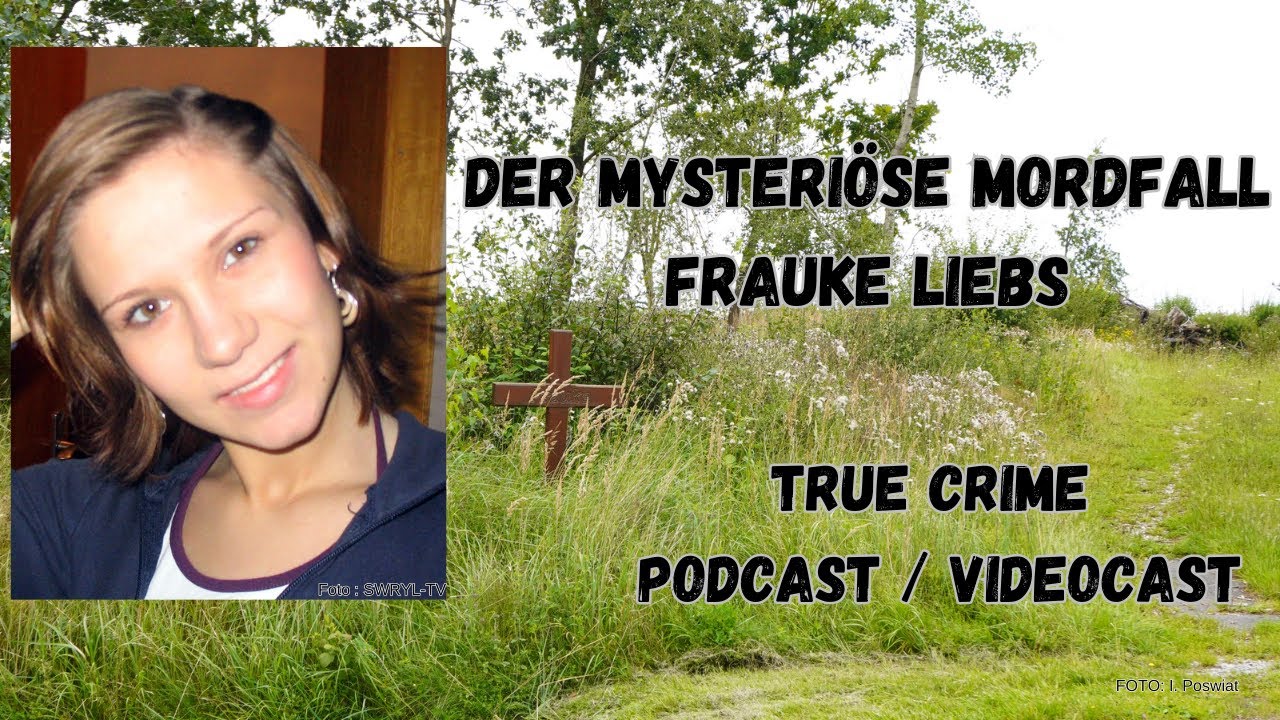
gegen ihren Willen festgehalten werden sank somit bei der Polizei sie haben keine Gefährdung mehr gesehen Fraukes Mutter Ingrid aber war sich ganz sicher dass etwas nicht stimmt auch sie ging weiterhin zur Polizei und wurde vom einem der Beamten regelrecht zusammengefaltet sie sei eine überfürsorgliche Mutter und ob sie denn annehmen würde Frauke wäre einem abnormalen Sexualstraftäter in die Hände gefallen von der Polizei also hatte frauges Mutter zu diesem Zeitpunkt keine große Hilfe zu erwarten sie versuchte
aber verzweifelt ein Diktiergerät zu besorgen was sie aber damals in keinem Kaufhaus finden konnte heute ist es für alle sehr belastend dass die Anrufe nicht aufgezeichnet werden konnten vielleicht hätte man so ein bisschen mehr daraus schließen können selbst die Lokalzeitungen berichteten damals dass Frauke sicher nun gemeldet habe und die Befürchtung dass sie etwas passiert sei hätten sich somit ja nicht bestätigt Fraukes Familie verzweifelte immer mehr und mehr denn seitens der Polizei war keine große Hilfe mehr zu erwarten zum
damaligen Zeitpunkt dadurch dass Frauke sich ja immer mal wieder telefonisch meldete bis heute frage auch ich mich ob der Täter vielleicht die Suche nach Frauke mitbekommen hat und deshalb diese Anrufe immer zugelassen hat um vielleicht die Arbeit der Polizei damit zu behindern oder vielleicht sogar gänzlich ausfallen zu lassen also denkbar wäre das zumindest für mich definitiv aber vielleicht seid ihr ja auch derselben Meinung schreibt es mir gerne in die Kommentare wenn ihr mögt wurde also extra vielleicht deswegen
auch nach padaborn gefahren um von niheim abzulenken weil ja die erste SMS aus Nieheim kam und das wusste man ja mittlerweile oder was wollte man am Tag ihres verschwind im ca 40 Minuten entfernten niheim trup auch am 25 Juni mittlerweile ist Frauke 5 Tage verschwunden kommt ein Gespräch zwischen Frauke und Christ Zustande diesmal ruft Frauke ihn um 22:28 Uhr an komme heute nach Hause bist du in Gefahr nein warum bist du gestern nicht nach Hause gekommen kann ich dir erklären wo bist du erkläre ich dir wenn ich zu Hause bin Frau gab Christ zwar
Antworten aber irgendwo auch keine richtigen keine die ihm irgendwie ansatzweise weitergeholfen hätten in dieser Situation am 26 Juni 2006 das war ein Montag diesmal kommt keinerlei Lebenszeichen von Frauke kein Anruf keine SMS die Familie ängstigte das Ganze immer mehr sonst kam wenigstens jeden Tag ein kurzes Lebenszeichen von Frauke das wirklich letzte Lebenszeichen von Frauke kam aber dann einen Tag später am 27 juni 2006 Fraukes Eltern und ihre Schwester Karin waren noch in der WG da sich ja so ein Muster
entwickelte aus den Anrufen Frauke ja immer ungefähr um dieselbe Uhrzeit abends anrief gegen 22:30 Uhr wartete man nun darauf in der WG es wurde am diesem Abend aber immer später nach 23 Uhr haben sich Fraukes Eltern dann entschieden nach Hause zu fahren weil vermutlich wieder kein Anruf kommen würde wie am Tag zuvor auch schon Karen blieb aber bei Chris und hielt sich in Fraukes Zimmer auf Chris machte Sachen für die Uni fertig keiner rechnete um die Uhrzeit mehr so wirklich mit einem Anruf von Frauke schließlich war es ja
gestern wie gesagt ja auch schon zu keimen gekommen aber dann um 23:24 Uhr klingelt wieder einmal das Handy von Chris Chris ruft sofort Karen zu sich und stellt das Gespräch auf Lautsprecher es folgt jetzt ein Protokoll des letzten Anrufes vom 27 juni 2006 hallo Chrissi mir geht es gut wo bist du kann ich nicht sagen komm doch nach Hause nein das geht nicht warum denn nicht kann ich dir nicht sagen wirst du festgehalten ja nein nein hast du Angst nein wer ist bei dir kann ich dir nicht sagen bist du müde ja sehr
müde weißt du dass die Polizei nach dir sucht ja ich weiß woher weißt du das ich bin ja fast eine Woche WE Weg warum bist du denn weg das weißt du doch Chris nein hast du einen anderen Typen kennengelernt du weißt doch dass ich wegen dem Typen nicht eine Woche wegbleibe du kennst mich doch Karin ist bei mir wir machen uns alle Sorgen sind Mama und Papa auch da die waren hier sag ihnen dass ich sie ganz doll liebe wann kommst du zurück ich weiß nicht warum bist du nicht gekommen obwohl du gesagt hast dass du heute zurückkommst erkläre
ich dir später soll ich dich abholen nein das geht nicht können wir uns irgendwo treffen das geht nicht wo bist du Mama wo bist du Mama wo bist du mama wann meldest du dich weiß ich noch nicht melde dich doch wenigstens einmal am Tag habe ich die anderen Tage doch auch gemacht ich war sehr traurig dass du dich gestern nicht gemeldet hast ja ich weiß dass du sehr traurig warst gib mir Karin bitte bitte frag mich nicht aus hast du Angst nach Hause zu kommen nein wir räumen auch die Wohnung und keiner fragt Dich was passiert ist komm doch
wieder das geht nicht ich lebe noch bist du mit einer oder mehreren Personen zusammen bitte frag mich nicht ich würde gerne bei Euch sein ich würde gerne nach Hause melde dich wenigstens einmal am Tag ja mache ich ciao bis bald Karen schossen nach dem Gespräch was diesmal ganze fünfeinhalb Minuten dauerte sofort die Tränen in die Augen und Chris erzählen bis heute dass Frauke wie in Trance wirkte als ob sie gar nicht richtig da war als ob sie vielleicht auch kotropfen verabreicht bekommen haben könnte Chris empfand dieses
längere Gespräch damals eher wie ein Fortschritt da wusste er ja auch noch nicht dass es das letzte Gespräch gewesen ist wunderlich war aber auch in diesem Gespräch dass Frauke ja auf die Frage wo sie ist dreimal mit Mama antwortete bis heute rätselt man was Mama zu bedeuten hatte weil es ja keine richtige Antwort war war Frauke vielleicht vollkommen geschwächt und wollte gerettet werden in diesem Fall von ihrer Mutter das kann ich mir ehrlich gesagt am ersten vorstellen und daran glaubt auch die Polizei oder
wollte sie vielleicht wirklich ein verstecktes Zeichen geben dass vielleicht auf den Aufenthaltsort ihrer Mutter die Zweitwohnung ihrer Mutter in badrieburg hinweisen sollte oder auf das Gymnasium vielleicht auf einen Schüler hindeuten sollte weil ihre Mutter dort ja die Direktorin war vielleicht gab es Ärger auch eine Möglichkeit die ich mir vorstellen könnte die Hinweise im Fall Frauke gingen sogar so weit nach diesem letzten Gespräch dass man Gaststätten mit dem Namen Mama in der Region in Betracht gezogen hatte oder vielleicht
irgendwelche Hotels Pensionen wie auch immer gibt da wahrscheinlich wenige die Mama heißen aber es gab da wohl eine Gastwirtschaft ein Hotel ich weiß es nicht mehr so genau was auf jeden Fall auch ähm ja untersucht wurde oder eben Befragungen da stattgefunden haben und was auch extrem schlimm natürlich in diesem letzten Telefongespräch gewesen ist ist natürlich die Tatsache dass Frauke erstens extrem entkräftet gesprochen hat und Karen sowie auch Chris das wie ein Abschied vorgekommen ist gerade auch dass Frauke sagte sie
sollen Mama und Papa ausrichten dass Sie sie ganz doll liebe Frauke äußerte sonst nie die Form Liebe nur hab dich lieb aber die Form Liebe also die Steigerung von allem das hat sie nie so zu ihren Eltern gesagt Sie haben schon mal gesagt hab dich lieb aber nie ich liebe dich oder dass sie sie eben lieben würde und ich persönlich glaube auch dass Frauke selbst wusste dass sie da nicht mehr lange zu leben hatte sie wollte vielleicht noch mal so einen Gruß aussenden allen eben mitteilen dass sie sie sehr sehr lieben würde auch war
Frauke in dem Gespräch ja das erste Mal auch ehrlich und äußerte dass sie festgehalten werde korrigierte das dann aber ja sofort mit einem nein nein vielleicht war das auch der Anlass für den Täter Frauke kein weiteres Mal mehr telefonieren zu lassen und sie umzubringen weil er vielleicht doch Angst hatte aufzufliegen das kann ich mir übrigens auch sehr gut vorstellen frukes Eltern waren sehr traurig den Anruf nicht mitbekommen zu haben damals wussten sie ja nicht einmal dass es der letzte sein würde je mehr Tage aber
vergingen desto mehr breitete sich die Angst aus Fraukes Familie aber gab nicht auf sie verteilten weiterhin Flugblätter mit der Hoffnung auf einen Hinweis jedoch ist dieser nicht gekommen kein einziger will Frauke in dieser Nacht wo sie verschwunden ist oder auch in den Tagen danach mit irgendjemanden gesehen haben zumindest ist darüber nicht so wirklich öffentlich bekannt da gab es mal Aussagen zu aber dazu komme ich gleich noch auch der leitende Ermittler Ralf östermann äußerte dass es natürlich niemand gemerkt hat wenn Frauke kurz
nach dem Verlassen des Papst zu jemand vertrautes in ein Fahrzeug gestiegen ist jemand den sie kannte das ist ja nicht aufgefallen wenn ihr euch jetzt vorstellt ihr seid draußen irgendwo und es steigt eine Person in ein Auto ein weil ihr wisst die kennen sich das merkt man irgendwie an der Mimik wie auch immer dann merkt ihr euch das ja nicht hätte Frauke aber z.
B geschrien wäre das natürlich viel mehr in den Köpfen der Leute geblieben es hätte man sich eingeprägt wä vielleicht sogar eingeschritten aber nicht mal einen Schrei in einem Wohngebiet will man wohl damals bemerkt haben wie man dann später feststellte stammten alle Anrufe Fraukes bis auf ihre erste sms-jahr aus nihim im Kreis höchster alle aus padaborn und alle aus Gewerbe oder Industriegebieten in padborn denkbar wäre dass Frauke in niehheim die SMS auch in einem Gewerbe oder Industriegebiet abgeschickt haben könnte da käme das Gewerbegebiet
Allersberg oder bilsterberg in Frage ein Anruf kam aus dem Gewerbegebiet Sennelager am 22.06 das liegt im Norden padborns dort leben auch viele englische Soldaten auch in diese Richtung schaute man gerade weil Frauke ja auch vorher im PU gewesen ist aber man konnte da nicht feststellen dass frukes verschwinden mit einem Soldaten zusammeng gehangen haben könnte am 23.
6 erfolgte damals ein Anruf aus dem Gewerbegebiet Dören am 24.6 kam ein Anruf diesmal am frühen Nachmittag aus dem Gewerbegebiet mönkelo davon hatte ich ja schon ein paar Ausschnitte gezeigt am 25.06 kam ein Anruf aus dem Berliner Ring in Paderborn und der letzte Anruf Fraukes kam aus dem Gewerbegebiet benhauser Feld Frauke muss immer mit einem Fahrzeug in die Gewerbegebiete gebracht worden sein anders wäre das nicht möglich gewesen und noch heute rätselt man ob es ein Auto war ein LKW ein Wohnmobil was ist es gewesen mit dem fraukö da transportiert wurde ich halte
ein Auto ehrlich gesagt er für abwegig aber sicher kann man sich da natürlich nicht sein dafür Fraukes Familie die Polizei viel zu wenig Tat und Frauke sich ja auch überhaupt nicht mehr meldete engagierten sie einen Privatdetektiv dieser zog mit frukes Freunden durch die Discos und man sagte er war teuer aber doch sehr ungeeignet im späteren Fraukes Mutter versuchte es bei Drogenberatungsstellen Sektenbeauftragten in der Hoffnung dort vielleicht doch Hilfe zu erfahren allerdings verlief das ganze auch im Sande Karen und Frank schauten Fraukes
Computer durch denn Frauke chattete sehr gerne später nahm die Polizei den Computer mit die Chatpartner Fraukes wurden überprüft auch dort hat man niemanden gefunden den man für das Verschwinden Fraukes verantwortlich machen konnte hätte Fraukes Mutter damals kein Tagebuch über diese ganzen Anrufe und Daten geschrieben wüsste heute niemand mehr genau an welchem Tag was genau passiert ist es raubte der Familie wirklich den Schlaf nicht zu wissen was mit frae passiert ist immer wieder versuchten sie sich einen Reim
aus den Anrufen zu machen und weshalb es nun auf einmal so lange schon so still wurde über zwei Monate hörte man auf einmal nichts mehr von Frauke eine unwahrscheinlich lange erdrückende Zeit bis sich am 4 oktober 2006 alles änderte Dirk s ein Hobbyjäger drehte seine Runde durch das Jagdrevier und war eigentlich schon auf dem Heimweg dann ist er mit seinem Auto vom Waldweg auf die Landstraße gebogen auf einmal sah er dann aber zertretenes gestrpp und dachte wirklich an einen Wildunfall und wollte dann schauen ob er das Tier eventuell
noch erlösen müsse er lief dann nur ein ganz kurzes Stück hoch ein paar Meter der Spur nach dann kam er zur Stelle unter den Fichten damals standen am Fundort noch Unmengen an Fichten und dichtbwachsener Wald wie gesagt heute sieht das da komplett anders aus und Dirk s war sofort klar was passiert ist was sie mal als erstes aufgefallen sind Waren die adidasschuhe von Frauke als Jäger wusste er sofort das sind keine Knochen von Tieren sofort hatte er die Polizei verständigt mit dem Fall Frauke hatte er die Leiche nicht
direkt in Verbindung gebracht er kannte den Fall nur grob aus den Medien die Stelle war nicht gut einsehbar zumindest zur damaligen Zeit heute ist das anders auch habe man das Auto heute Sowi damals dort gut abstellen können am Tag so wie auch bei Nacht fahren dort auch kaum Autos das habe ich ja auch selber sehen können der Täter brauchte sich auch keine Sorgen machen auch wenn der Puls vermutlich beim Ablegen von Frauke gerast haben dürfte bevor wir jetzt gleich weitermachen bekommt ihr hier ein paar kurze Einblicke von mir am Fundort
von Frauke wie eben schon erwähnt heute wurden da viele rotungsarbeiten durchgeführt der Borkenkäfer hatte einiges zerstört und es sieht ganz anders aus wie damals aber ich blende euch auch noch Bilder ein wie das damals ausgesehen hat aber jetzt mal zwei kurze Videos so ihr Lieben wir sind jetzt hier gerade angekommen aber wie ihr seht hier ist wirklich nichts los h kommt gleich ein Auto da ist das Kreuz von Frauke und Straße ist wirklich sehr sehr ruhig kaum Autos und wenn fahren sie relativ schnell und wir fahren wir gehen jetzt
gleich mal da hoch und schauen mal ob da die Ablagestelle ist eigentlich wenn man sich das hier so anschaut hätte der Täter eigentlich viel besser hier parken können bin ich der Meinung weil man da viel besser reinfahren kann eigentlich aber gehen jetzt mal da hoch und schauen mal wir haben wir noch ein bisschen was dabei aber mal schauen wo wir das jetzt genau ablegen weil am Kreuz selber von Frauke kann man das leider nicht ablegen um euch das noch mal zu zeigen also hier hat der Täter dann vermutlich geparkt hier kann man ja ganz gut
reinfahren genauso wie da auch da hätte ich sogar für besser gehalten als Ablageort aber das ist ja immer Ansichtssache und dann ist er halt hier hochgegangen also wirklich nicht weit weil Täter hat ja meistens auch Zeitdruck und das passt eigentlich auch ziemlich gut dann geht hier dieser kleine Fahrt lang da haben auch schon viele Leute getrampelt das sieht man dass das Gras da ziemlich runtergedrückt wurde schon dann geht man ja nur hier rein und da ist quasi dann ja der Ablageort gewesen also wirklich für den
Täter eine ja sehr sehr kurze Strecke hier runter so ihr Lieben wir sind jetzt am Ablageort angekommen dann mache ich euch gleich mal ein Foto von aber es ist schon sehr sehr beklemmend hier zu sein also die anderen Orte da ging es eigentlich ich habe ja noch so ein Gewerbegebiet abgefilmt und ja den PAP und auch ihr ihre Wohnadresse damals ihr Wohnhaus besser gesagt aber jetzt hier so zu stehen und zu wissen ihr ist wirklich ihr Mörder mit ihr lang gelaufen hat sie hier abgelegt ich will das jetzt auch nicht so zeigen im
Hintergrund aber ich stehe jetzt hier gerade und ja ihr werdet das dann ja in der Folge sehen die rauskommt das dauert allerdings noch ein bisschen aber es ist wirklich sehr sehr beklemmend und ihr seht das ja hier hinter mir hier ist nichts und auch die Straße hier fährt alle 5 Minuten mal ein Auto lang und nachts wahrschein gar keiner und dieser Täter muss diesen Ort hier definitiv gekannt haben man fährt hier nicht einfach so lang oder kommt hier einfach so lang ja dann wurde die Polizei über den Leichenfund informiert den Ermittlern
war gleich klar dass es sich nur um einen Ablageort und keinen Tatort handeln würde die Leiche war etwas mit Laub und Reisig bedeckt die Ermittler kamen in der Dämmerung an die Spurensicherung war in der Dunkelheit sehr schwierig weshalb ein eine Streife den ffundort bis es hell wurde bewachte in der Nacht des leichenpfunds wurde Fraukes Mutter angerufen sie lag schon im Bett und versuchte sich durch Lesen etwas abzulenken es war schon 23 Uhr an diesem 4 oktober als das Telefon klingelte jemand aus der Polizeidirektion padaborn war dran er
wolle nur mitteilen dass eine Leiche gefunden wurde und es könnte Frauke sein steht auch am Morgen in der Presse nur dass sie sich nicht wundern sagte er zu Frau liebs und das war auch schon alles keine Polizisten die der Familie persönlich Bescheid gegeben haben kein Seelsorger der zu Betreuung da war nur ein Anruf und nicht einmal zu dem Zeitpunkt zu wissen ob es 100% Frauke ist ich finde das unglaublich traurig was die Polizei sich da geleistet hat und es muss für die Familie einfach unfassbar schrecklich gewesen sein und
die Nacht war für die Familie dementsprechend natürlich sehr sehr schlecht am nächsten Morgen drückt frukes Mutter Ingrid die Wahl wiederhol auf Ihrem Telefon sie fragt den Polizisten ob sie nun immer noch meinen würden dass Frauke einfach abgehauen sei darauf kam die Antwort nein das würden sie nun nicht mehr glauben sie würden nun schon von einem Verbrechen ausgehen für die Ermittler war es auch am Fundort sehr sehr schwierig irgendwie noch Spuren zu sichern dadurch dass fraues Leichnam schon skelettiert gewesen ist
dazu noch wildfras Feuchtigkeit Spurensuche dürfte sehr schwierig geworden sein während Fr ichnah in die Gerichtsmedizin gebracht wurde wurde auch Kleidung Fraukes untersucht vermutlich hatte sie die ganze Zeit in der sie festgehalten wurde übrigens die Sachen an die sie auch schon getragen hatte als sie den PAP verlassen hat also die Jeans das rote T-Shirt und die adidass Schuhe auf die Kleidung habe es keine Gewalteinwirkung gegeben hauptsächlich natürlich geprüft ob dies durch Messer oder Waffe geschehen sein
könnte trotzdem aber hat die Polizei noch sprengstoffhunde an den Fundort geführt auch diese lieferten keinen Hinweis darauf dass es Schüsse gegeben haben könnte alle Fuß und Reifenspuren die man eventuell hätte sichern können hat die Witterung schon längst zerstört gehabt zwei Tage später stand dann Kommissar östermann vor der Tür von Familie liebs da wussten Sie sicher durch einen zahnabgleich dass es sich um Frauke gehandelt hat die Gerichtsmedizin stellte fest dass es keine mechanische Gewalt gegen die Knochen gab auch keine
Hinweise auf Stich oder Schnittverletzungen fraukos Zungenbein war intakt das heißt frauko wurde vermutlich nicht erdrosselt wobei das nicht so 100% klar ist ersticken wäre auch eine Möglichkeit es wurden keine Drogen im Körper festgestellt wobei chotropfen sich sehr schnell abgebaut hätten ob Frauke auch sexuell missbraucht wurde ist ungeklärt dafür war der leichtnam einfach in einem viel zu schlechten Zustand an Kleidung fehlten nur Fraukes Socken aber man ist sich nicht sicher ob Frauke an diesem Abend welche getragen hatte es fehlt
aber bis heute Fraukes Nokia Handy ihre Handtasche das soll eine schwarze Handtasche gewesen sein und ihre Fossil Armbanduhr ihre Schwester Karen war zwar froh Gewissheit bekommen zu haben aber fragt sich heute ob Frauke dort wirklich tot abgelegt wurde oder vielleicht in den letzten Zügen dort alleine verstorben ist natürlich auch eine absolut schreckliche Vorstellung ich möchte mir gar nicht ausmalen an was für andere schreckliche Dinge die Familie noch so denkt was Frauke eventuell erlebt haben könnte wäend nun ja klar
geworden ist dass Frauke tot ist begannen für die Polizei die Ermittlung jetzt als richtig es gründete sich die Mordkommission lichttenau lange Zeit hatten sie Fraukes Mitbewohner und Exfreund Chris in Verdacht Chris und Frauke waren nach ihrer Beziehung ja immer noch Freunde aber ein Eifersuchtsdrama wäre ja auch denkbar gewesen und da Frauke ja nur bei ihm angerufen hat außer das eine Gespräch mit Bruder Frank war Chris natürlich verdächtig gerade als Exfreund da bei dem letzten Gespräch dem Abschied aber Karen dabei gewesen ist so die Polizei
zu Chris habe es ihn damit gerettet er sei der heiße Kandidat der Polizei gewesen und die Polizei hatte natürlich nicht nur Chris in Verdacht sondern auch Nils frauko und Nils kannten sich erst kurze Zeit vor ihrem Verschwinden ein paar Wochen zuvor sich die beiden im Kapitol der Disco in Paderborn kennen zwei Tage bevor Frauke verschwand waren sie noch zusammen picknicken auf einem Zeltplatz und hatten sich ja eigentlich sogar genau an diesem Tag um 23 Uhr zu der Zeit wo Frauke auch den PAP verlassen hat verabredet Nils sagte dann
ja ab und ließ sich scheinbar auch nicht mehr umstimmen was die Polizei aber an Nils sehr suspekt fand war dass er immer in Dunkelheit auf den Friedhof ging wo sein verstorbener Freund Thomas lag immer nach seiner Spätschicht und der Friedhof wo sein Freund lag war der Friedhof auf dem Dören und der ist neben dem Gewerbegebiet auf dem Dören und vielleicht erinnert ihr euch jetzt mehrere Anrufe fraaues erfolgten vom Gewerbegebiet auf dem Dören Nils wohnte in höwelhof von dem Funkmast Hövelhof dreihhausen Sennelager kam Fraukes
erster Anruf das war eine Sache die der Polizei komisch vorgekommen ist und Nils wusste eben genau wo Frauke an diesem Abend war nämlich im pappp sie hatten sich ja eigentlich verabredet Frauke war ihm vertraut auch wenn sich heute weder Isabella noch Nils erinnern möchten zumindest erst gab es in der Diskothek damals sogar ein kurzen Kuss zwischen Frauke und Nils aber er hätte sich damals so sagt Nils heute erstmal keine Beziehung zu Frauke vorstellen können aber irgendeine Verbindung müssen die beiden ja schon zueinander gehabt haben
hätte Frauke ihn ja nicht einfach so auf den Mund geküsst und die Polizei prüfte genau ob Nils es hätte schaffen können nach der Spätschicht zum PAP zu kommen wenn er sich etwas beeilt hätte wäre er durchaus um 23 Uhr noch am Papp gewesen auch die SMS von Frauke um 0:49 wäre damit erklärbar gewesen denn man geht davon aus sollte die SMS nicht im Postausgang gesteckt haben sondern zeitgleich von Frauke um 0:49 Uhr verschickt worden sein dass es Frauke zu dem Zeitpunkt mit dem Täter in im noch gut ging und sie sich wohlgefühlt hat
Nils selbst weiß auch dass es logisch ist dass er verdächtigt wurde so viele Punkte hätten einfach so gut gepasst und auch ich wenn ich das so höre könnte fast sagen da passt so viel sind das wirklich alles Zufälle auch eine lustig gemeinte SMS vom Vorabend im PU zwischen Isabella und Frauke und Nils die enthielt nämlich sie sollten doch bitte in Reizwäsche für Nils kochen fiel ihm dann später in den Rücken Nils sagt aber er habe am Abend als er Frauke absagte mit seinem Kumpel Andy Billard gespielt und später waren
sie dann noch döneressen es gab aber da die Polizei ja viel zu spät erstätig wurde keine Kameraaufnahmen mehr weder von dem Spielsalon wo sie Billard gespielt haben noch aus dem Restaurant wo n sich einen Döner geholt hatte ob er wirklich genau an diesem Abend dort gewesen ist konnte also niemand mehr sagen es war einfach zu lange her und Nils soll an diesem Abend dann gegen 2 Uhr laut seiner Aussage im Bett gewesen sein im Mittler nahmen sich dann auch Nils Freund Andy vor dieser ist Zeuge dass Nils den Abend die Nacht wo
| Continue reading…. | ||
| Part 1 of 2Part 2 of 2 | Next » | |