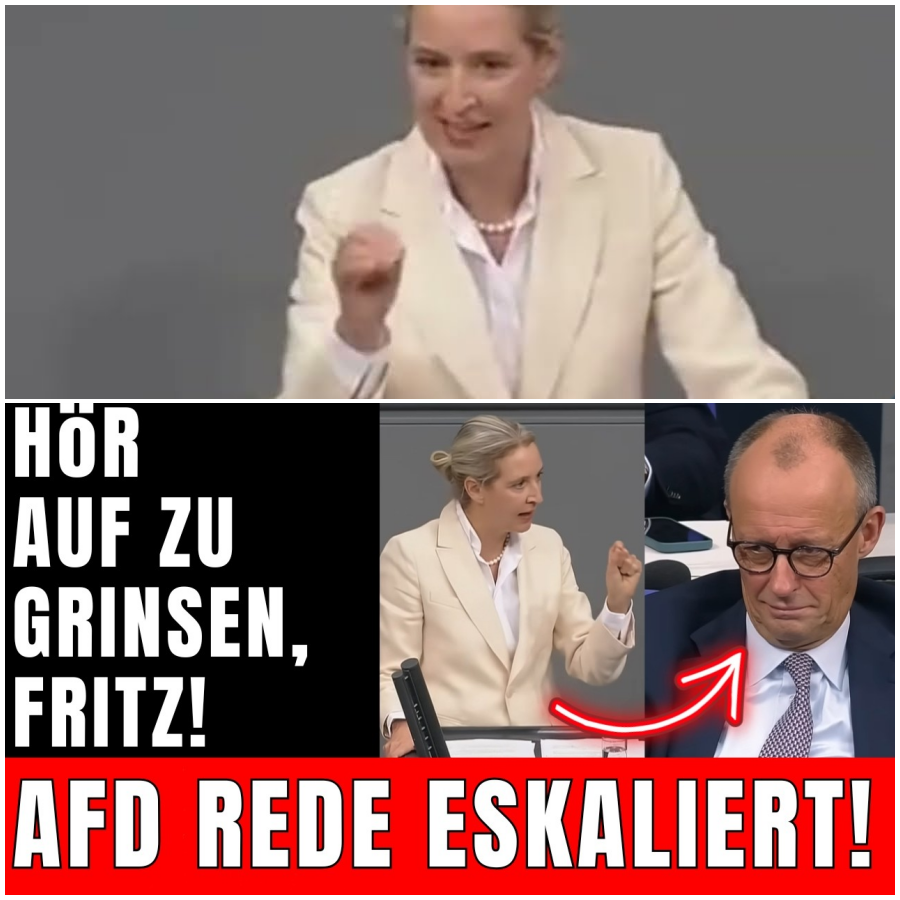
The delicate framework of international diplomacy, meticulously constructed over decades by successive generations of European statesmen, can be thoroughly demolished in a matter of hours by a single, catastrophic miscalculation. Berlin has been cast headlong into a state of severe political turbulence following an unprecedented diplomatic rupture between the Federal Republic of Germany and its most critical global ally, the United States of America. What began as an apparent attempt by CDU leader Friedrich Merz to assert domestic political strength has rapidly transformed into a devastating international humiliation, leaving Germany’s political establishment exposed, defensive, and increasingly isolated on the world stage.
The crisis ignited in spectacular fashion during the recent Katholikentag event, an occasion that was intended to showcase leadership and political vision before an audience of journalists, dignitaries, and voters. Instead, it became the birthplace of a profound geopolitical scandal. Standing before an array of television cameras and microphones, Friedrich Merz launched into an aggressive, unprovoked rhetorical assault against the United States, targeting both its societal framework and its economic stability. In a series of highly controversial remarks, the CDU leader explicitly stated that he would actively discourage his own children from travelling to America, claiming that the social and cultural climate across the Atlantic had degenerated into something vastly inferior to that of Germany and continental Europe. Furthermore, he asserted that even the most highly educated young Americans were facing a bleak economic landscape devoid of viable employment opportunities.
The immediate fallout from these statements was magnified tenfold by the sheer hypocrisy of the timeline. Merz had only recently returned from an international voyage, during which he had shared a transatlantic flight with Donald Trump. In the immediate aftermath of that journey, the CDU leader had enthusiastically capitalised on the media spotlight, boasting to the German public about an exceptionally positive, high-level dialogue. He had confidently asserted that he and the American leadership were in complete, harmonious agreement on critical global matters. To smile warmly for the cameras, present oneself as a trusted partner within the corridors of Washington power, and then immediately pivot to describe that same allied nation as a societal failure before a domestic audience represents a profound failure of diplomatic discipline. It is a dual-identity approach to foreign policy—servile in private, yet hostile in public—that has sent shockwaves through the international community.
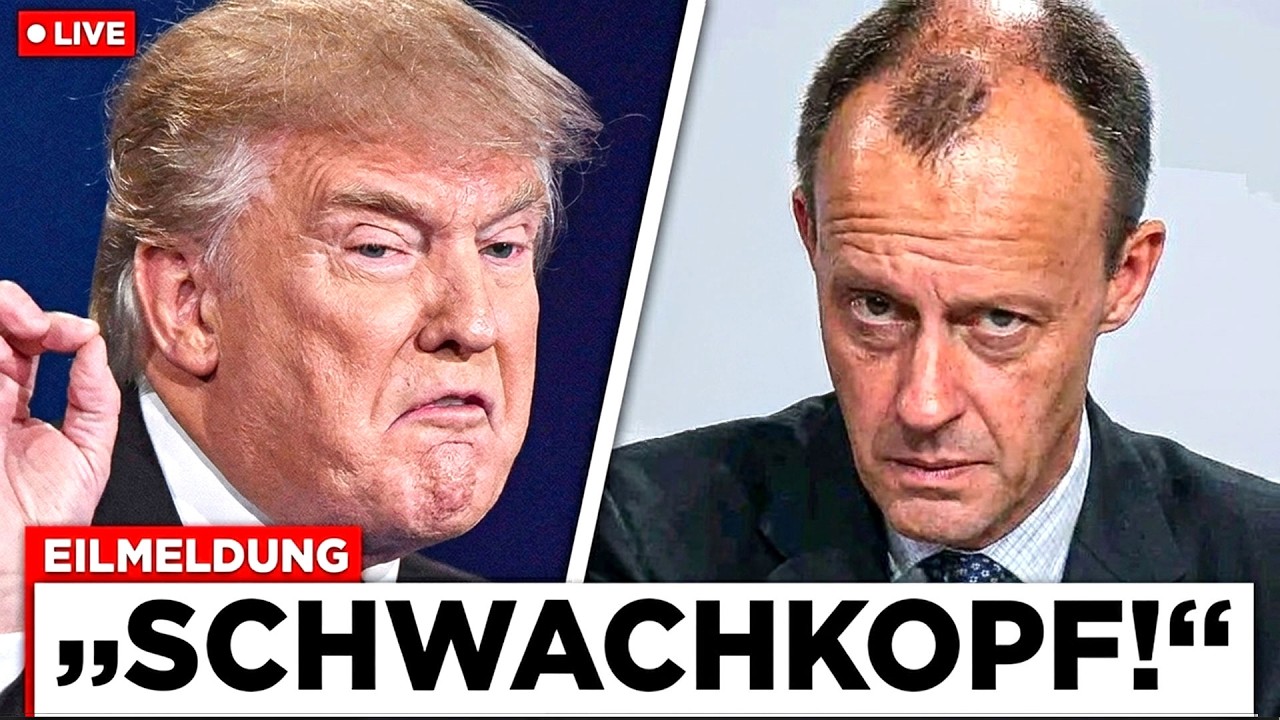
Foreign policy analysts have characterized the incident not merely as an embarrassing gaffe, but as a fundamental betrayal of trust that subverts the very core of the transatlantic alliance. Historically, even during periods of intense disagreement regarding trade, security, or military expenditure, German chancellors and American presidents have maintained a strict baseline of mutual respect, ensuring that public unity remained intact. By abandoning this tradition for a momentary domestic applause line, Merz has zapped the foundational goodwill that took generations to secure.
The response from Washington was swift, coordinated, and utterly unyielding, bypassing traditional diplomatic pleasantries in favour of a cold, calculated counter-strategy. The initial reaction emerged from the highest echelons of the American political apparatus. Richard Grenell, the influential former United States Ambassador to Germany and a key architect of American foreign policy, immediately utilised social media platforms to deliver an uncompromising rebuff. Grenell’s sharp public commentary signaled that the days of polite diplomatic evasion were over, replaced by an icy, arktischer wind blowing directly from Washington toward Berlin. The message quickly reverberated across major American news networks, ensuring that the extent of the political double-dealing was laid bare before the global public.
The confrontation escalated dramatically from a war of words into a full-scale institutional rebuke when members of the United States Congress intervened. In a series of public declarations that sent shockwaves through the Chancellery and the Bundestag, American lawmakers openly stated that Germany was rapidly losing control over its own domestic political stability. Such an explicit, unvarnished indictment from a foreign legislature is virtually unprecedented in modern Western diplomacy. It was a direct, calculated blow to the credibility of the CDU and the broader German political establishment, designed to signal that Washington no longer views the current leadership in Berlin as a reliable or serious partner.
As the political crisis deepened, Friedrich Merz attempted to engage in urgent damage control, stepping before the press corps in an effort to reframe the unfolding disaster. However, the performance did little to pacify international observers. Observers noted that the CDU leader appeared visibly strained, his smile noticeably strained and his rhetoric overly polished as he tried to dismiss the harsh American reaction as a mere misunderstanding. Live commentary from seasoned American political analysts dismantled the defense in real-time, describing the German leadership as visibly overwhelmed, defensive, and structurally incapable of handling the geopolitical pressures of the modern era.
The crisis has exposed a deeper, more systemic frustration within Washington regarding Germany’s broader geopolitical conduct. Behind closed doors in influential American think tanks and strategic circles, a harsh consensus has formed: Germany is increasingly viewed as the structural drag on European progress—an actor that is perpetually too slow to react, deeply contradictory in its policy pronouncements, and utterly paralysed by indecision. American strategists have openly lamented that Berlin has spent years diluting critical international decisions, effectively prolonging regional crises rather than resolving them. A poignant phrase currently circulating within Washington’s policy elite summarises the sentiment with brutal efficiency: Germany is magnificent in its rhetorical ambitions, yet remarkably deficient in its practical execution.
The strategic consequences of this breakdown have now manifested in a manner that represents a total nightmare for the established political order in Berlin. In a brilliant demonstration of realpolitik, American officials have begun bypassing the traditional channels of the German government entirely, initiating direct dialogues with political forces that the Berlin establishment has spent years attempting to isolate and deem unsalonfähig. Recognising the shifting tides of domestic German sentiment and the steady rise of alternative political movements such as the Alternative for Germany (AfD), Washington has demonstrated that if the traditional leadership blocks progress or acts in bad faith, the United States will simply negotiate with those who wield actual, growing influence among the electorate. This deliberate bypassing of the traditional political center is the ultimate proof that Washington’s confidence in the political establishment has evaporated.
To compound Berlin’s isolation, Washington has initiated a broader discussion regarding the health of democratic norms within the Federal Republic. American lawmakers have publicly raised profound concerns regarding whether genuine freedom of political expression can still exist in Germany without facing immense institutional and societal pressure. In the halls of the German parliament, such an allegation is viewed as a direct attack on the state itself. Yet, from the perspective of Washington analysts, it is treated as a necessary, objective evaluation of a declining democratic infrastructure. The response from American officials to Germany’s outraged protests has been characteristically dry: those who claim to champion fundamental human rights must be prepared to have their own domestic environment scrutinized under the same microscope.
The geopolitical landscape has shifted fundamentally, and Berlin now finds itself stranded in an unaccustomed state of international isolation. As traditional European partners quietly align themselves with the firmer stance adopted by the United States, Germany’s ability to set the political agenda for the continent has effectively vanished. For decades, the nation has operated under the comfortable assumption that it could enjoy the immense benefits of American security, economic stability, and global protection without ever having to bear the true burdens of geopolitical responsibility or showing basic diplomatic loyalty. Washington has now unilaterally rewritten the rules of engagement, acting not out of emotional anger, but out of a cold, pragmatic realization that the political status quo is no longer viable. With Friedrich Merz publicly rebuked on the international stage by the American leadership as someone who simply does not comprehend the realities of global politics, Germany is left facing a stark, uncomfortable truth. The nation must either fundamentally overhaul its approach to leadership and international solidarity, or watch from the sidelines as the rest of the world decides its future.
News
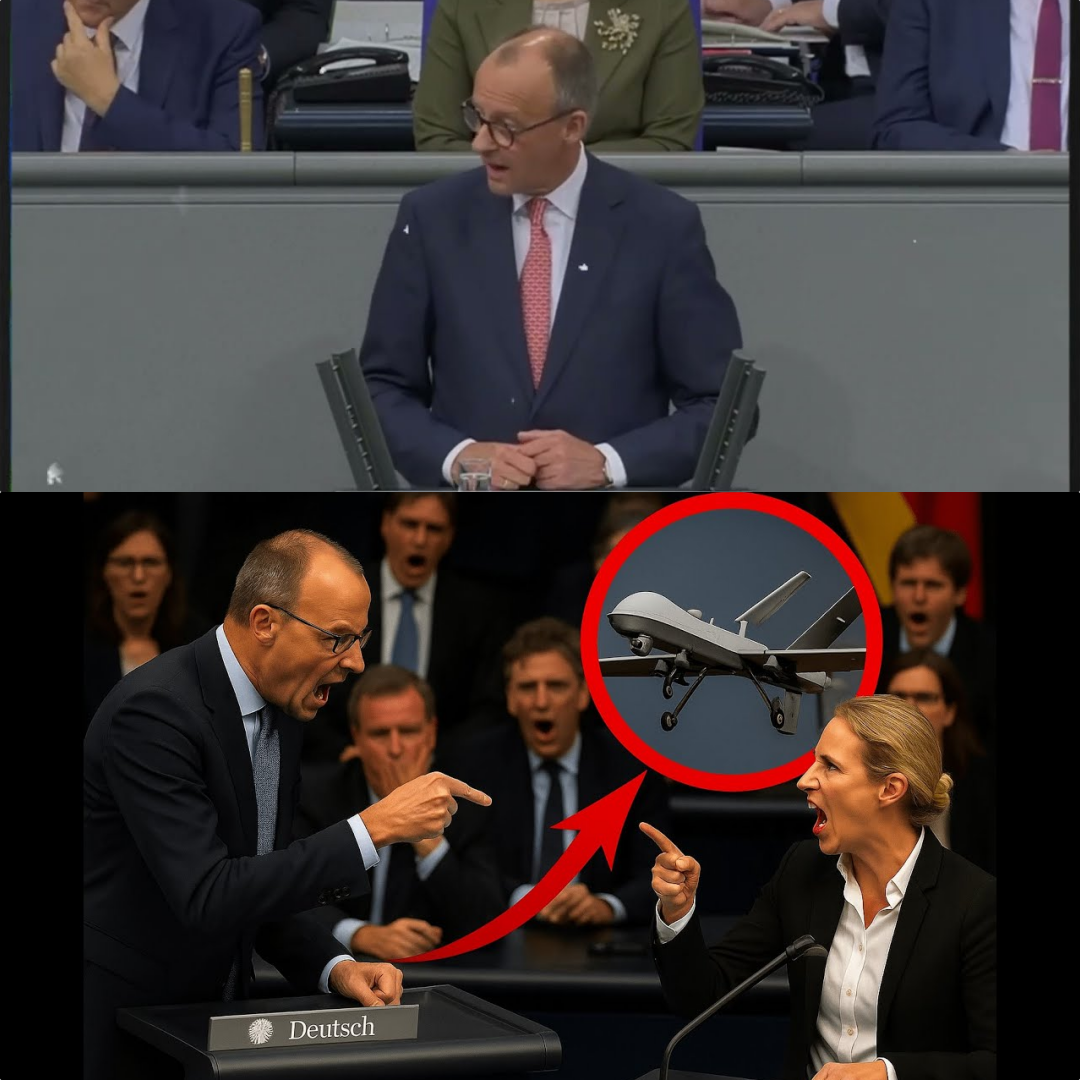
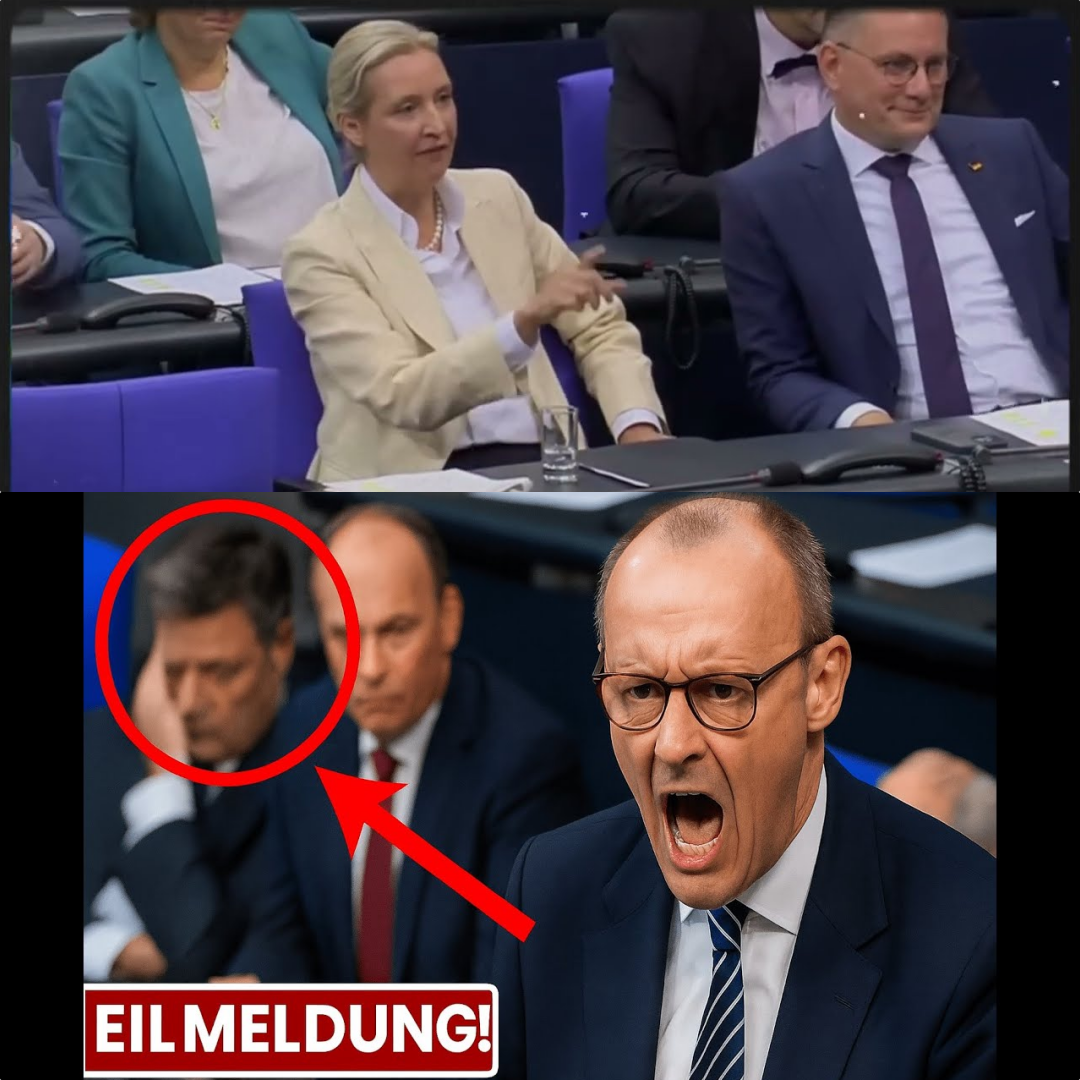
Parlament unter Schock: Merz verliert die Fassung bei Drohnen-Debatte
Die Atmosphäre im Deutschen Bundestag war an diesem Tag so aufgeladen, dass man die Spannung im Plenarsaal beinahe physisch spüren konnte. Es war kein gewöhnlicher Arbeitstag in Berlin; es war der Tag, an dem der politische Diskurs über die Sicherheitspolitik Deutschlands eine beängstigende Eskalationsstufe erreichte. Im Zentrum des Geschehens: Bundeskanzler Friedrich Merz und die Fraktionsvorsitzende […]
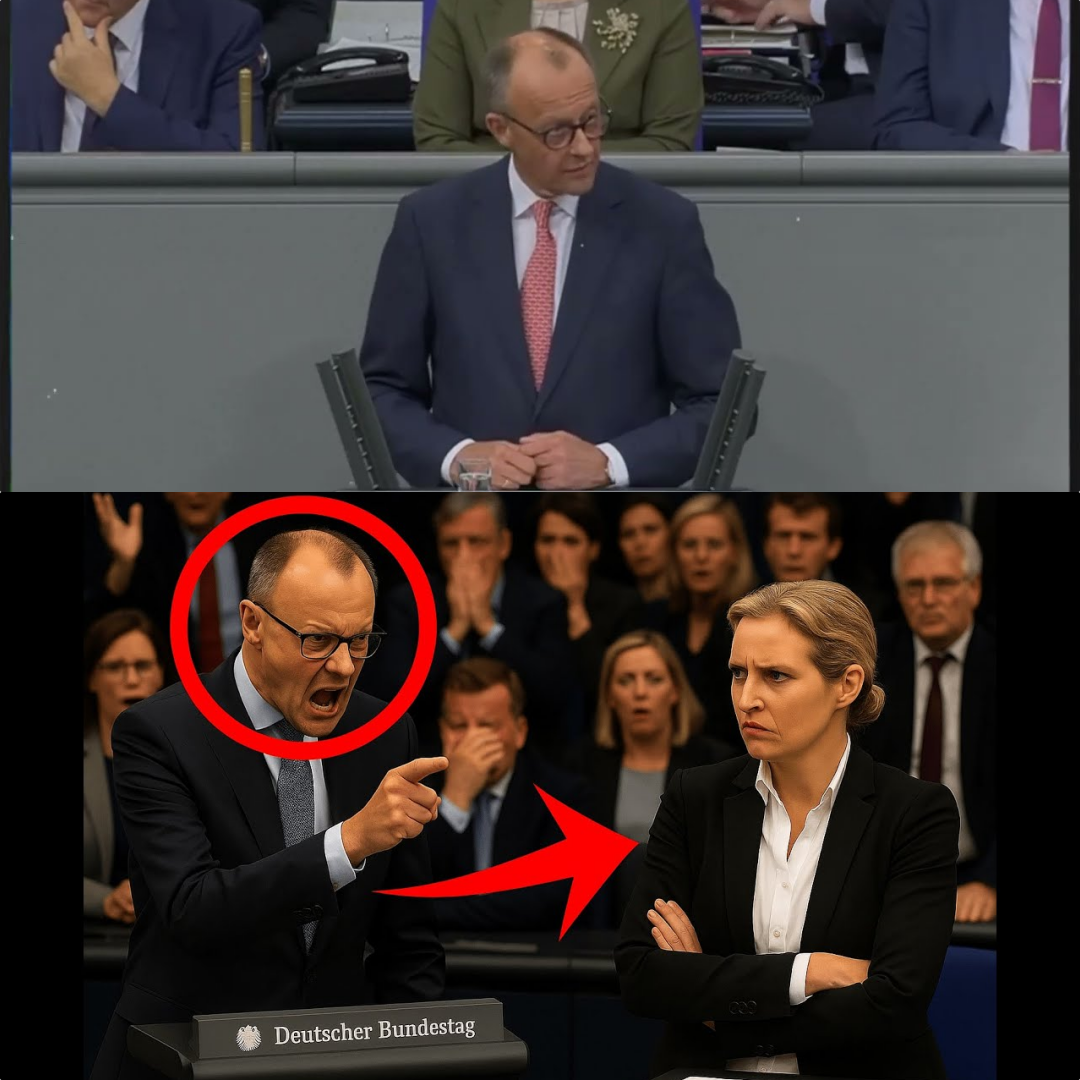
Frontalangriff auf die Ampel: Friedrich Merz rechnet knallhart ab
Die politische Atmosphäre im Deutschen Bundestag erreichte jüngst einen Siedepunkt, der weit über die üblichen hitzigen Debatten hinausging. Als Friedrich Merz, der Vorsitzende der größten Oppositionsfraktion, das Rednerpult betrat, änderte sich die Stimmung im Plenarsaal schlagartig. Was folgte, war keine gewöhnliche parlamentarische Anfrage, sondern eine vernichtende Abrechnung mit der amtierenden Bundesregierung, die in ihrer Deutlichkeit […]
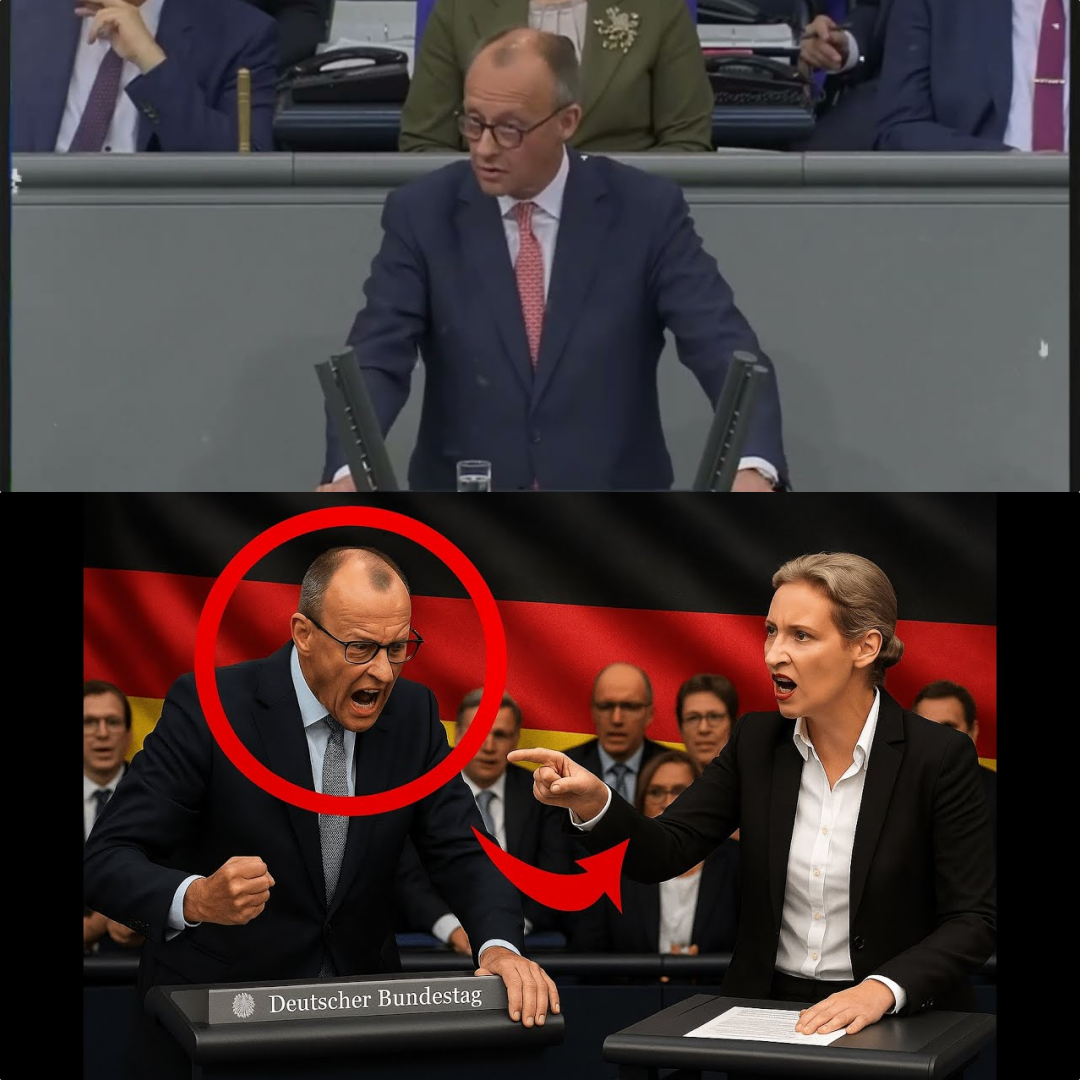
Machtkampf in Berlin: Enteignungs-Eklat erschüttert Bundestag
Die Atmosphäre im Deutschen Bundestag war in diesen Tagen so aufgeladen, dass man die Spannung fast hätte greifen können. Es ist kein Geheimnis, dass der Ukraine-Konflikt die deutsche Politik tief spaltet, doch die jüngste Debatte im Plenarsaal markierte einen neuen, besorgniserregenden Höhepunkt. Im Zentrum der Auseinandersetzung standen der Bundeskanzler Friedrich Merz und die Fraktionsvorsitzende der […]
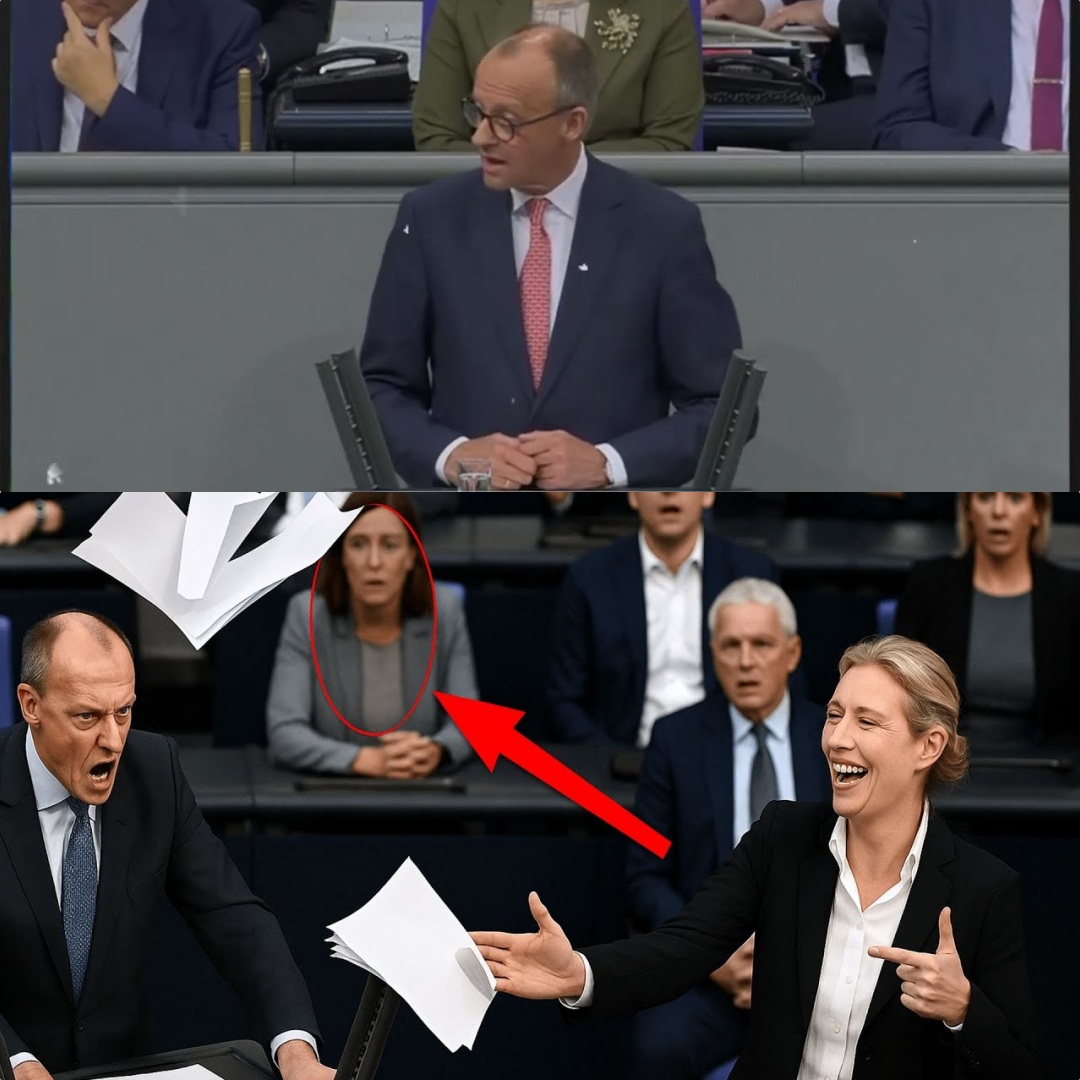
Parlament am Abgrund: Eklat am Tag der Deutschen Einheit
Der Tag der Deutschen Einheit, eigentlich als Symbol für Zusammenhalt, Versöhnung und das gemeinsame Fundament unseres Landes gedacht, verwandelte sich in diesem Jahr im Deutschen Bundestag zu einem Schauplatz hitziger Konfrontationen und eines Machtkampfes, der die politische Atmosphäre in Berlin nachhaltig erschüttert hat. Statt der üblichen, versöhnlichen Töne, die an einem solchen Feiertag zu erwarten […]
Politische Erschütterung in Berlin: Weidel stellt Merz wegen geheimen Steuerplänen bloß
Die politische Bühne in Berlin, genauer gesagt der deutsche Bundestag, wurde kürzlich Schauplatz einer Konfrontation, die weit über das übliche parteipolitische Geplänkel hinausgeht. In einem Moment von hoher symbolischer und inhaltlicher Brisanz lieferten sich der CDU-Vorsitzende Friedrich Merz und die AfD-Fraktionsvorsitzende Alice Weidel einen Schlagabtausch, der das Potenzial hat, die öffentliche Wahrnehmung über die Transparenz […]
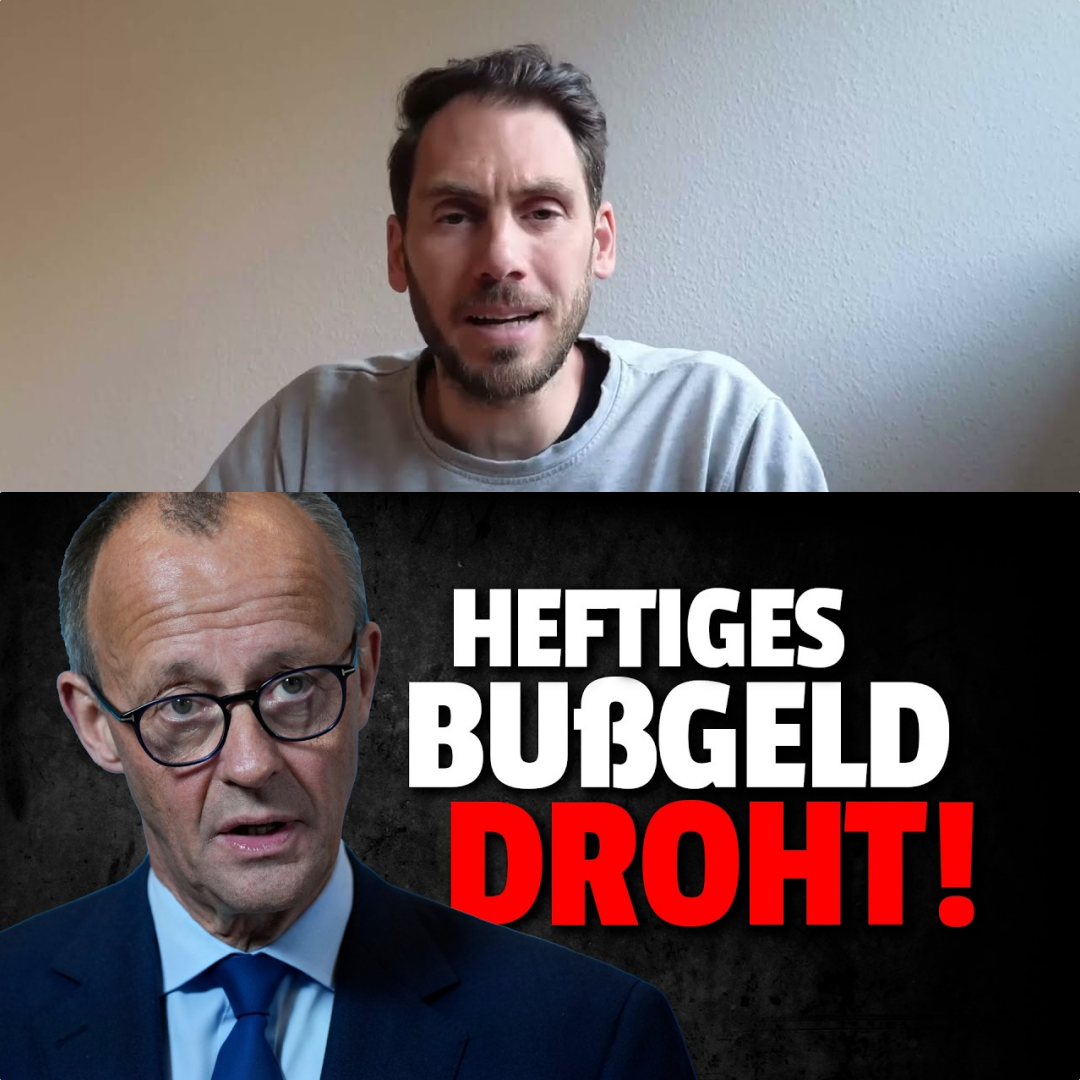
Energiekontrolle im Anmarsch: Bundesnetzagentur geht gegen Smart-Meter-Verweigerer vor
Die deutsche Energiewende, ein Projekt, das die Grundfesten unserer Infrastruktur und unseres Alltagslebens erschüttert, erreicht ein neues, hochsensibles Stadium. Was für viele Bürger lange Zeit als eine bloße Empfehlung oder eine ferne Zukunftsmusik galt, entwickelt sich nun zu einer handfesten regulatorischen Konfrontation: Die Bundesnetzagentur hat die Jagd auf diejenigen eröffnet, die sich dem Einbau moderner […]
End of content
No more pages to load